The Ultimate Guide to Dropshipping for Beginners
What Is Dropshipping?
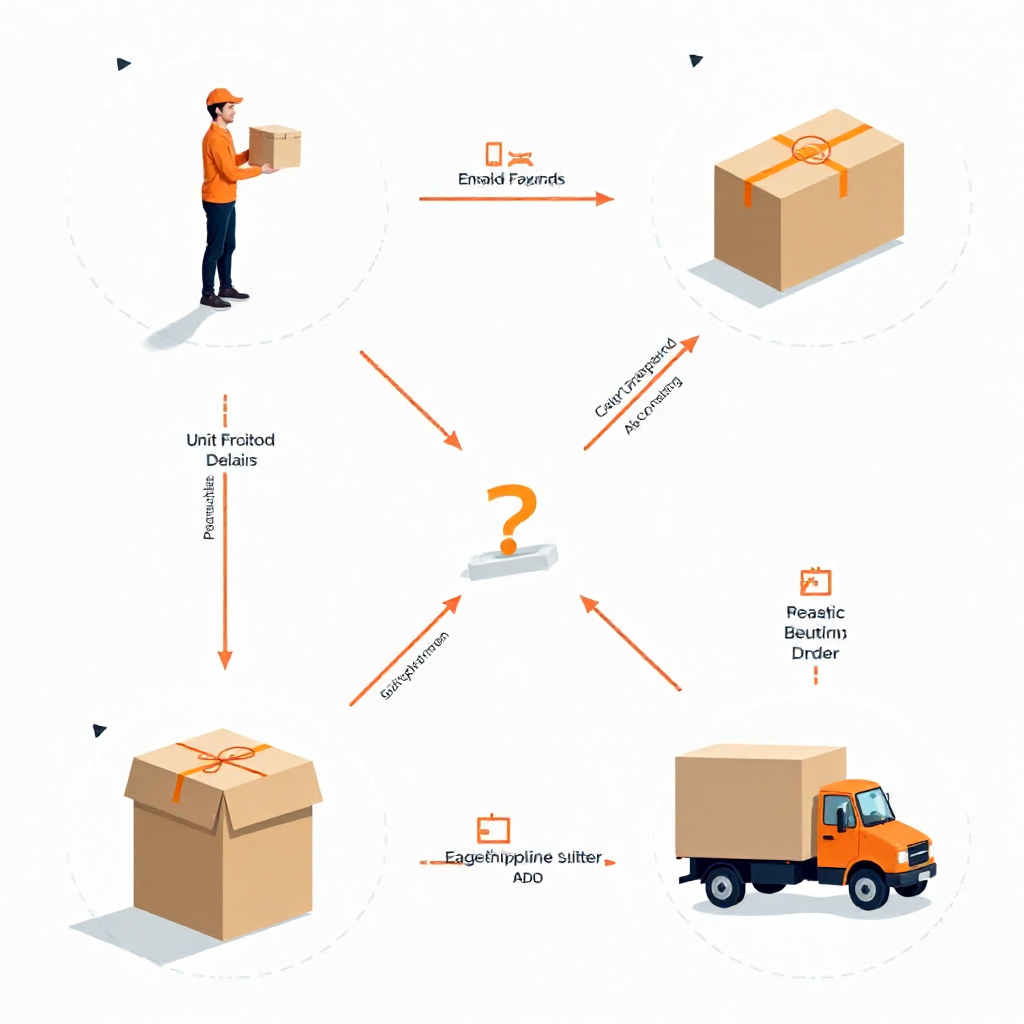
Dropshipping is an e-commerce business model where an online store sells products without holding inventory. Instead, the store partners with a supplier or wholesaler who ships products directly to customers after a sale.
This model differs from traditional retail by eliminating the need for upfront inventory investment and storage management. The online store acts as a middleman, focusing on marketing and customer acquisition while the supplier handles product sourcing and order fulfillment.
Because dropshipping relies heavily on supplier relationships, choosing reliable wholesalers and maintaining clear communication is critical for success.
Advantages and Disadvantages of Dropshipping
Dropshipping offers several benefits and drawbacks that beginners should weigh before starting.
- Advantages: Low startup costs since there is no need to invest in inventory upfront; easy to scale by adding multiple products without warehousing; flexible location as you can run your online store anywhere.
- Disadvantages: Lower profit margins because suppliers set wholesale prices and competition is intense; less control over inventory and shipping leading to potential delays; dependence on supplier reliability can affect customer satisfaction.
Understanding these trade-offs helps set realistic expectations — dropshipping is ideal for testing products or niches with minimal financial risk but requires strong customer service to compensate for supply chain challenges.
How to Start a Dropshipping Business Step-by-Step
To start a dropshipping business, follow these steps to build a solid foundation:
- Register Your Online Store: Choose a memorable business name and register your e-commerce store. Platforms like Shopify and WooCommerce simplify this process with user-friendly setup guides.
- Select a Niche: Focus on a specific product category to narrow your marketing efforts and attract a targeted audience. Consider niches with steady demand and manageable competition.
- Find Reliable Suppliers: Research wholesalers who offer quality products and dependable shipping. Websites like AliExpress, SaleHoo, or direct manufacturer partnerships are common sources.
- List Products Online: Import products to your online store with compelling descriptions and optimized images to encourage sales. Maintain competitive pricing while factoring in your profit margins.
- Set Up Payment and Shipping: Integrate secure payment gateways and clarify shipping policies, delivery times, and return procedures for customers.
- Launch Marketing Campaigns: Drive traffic with social media, SEO, and paid ads to start attracting customers to your new store.
By following these practical steps, beginners can avoid common setup pitfalls and build a scalable dropshipping operation.
Choosing the Right Platform and Tools
The right e-commerce platform and automation tools make managing a dropshipping store easier for beginners. Shopify and WooCommerce stand out as two popular options.
- Shopify: Offers an all-in-one solution with integrated payment processing, inventory syncing, and many dropshipping apps such as Oberlo that automate product importing and order fulfillment.
- WooCommerce: A flexible WordPress plugin ideal for store owners who want more customization and control. It supports many dropshipping extensions for supplier management.
Beyond platforms, essential tools include automated inventory management software to sync stock levels with suppliers, order tracking plugins, and customer service chatbots. These streamline operations and improve customer experience as your store grows.
Managing Orders, Inventory, and Customer Service
Effective management of orders, inventory, and customer service is critical to maintain trust and encourage repeat business in dropshipping.
- Order Processing: Automate forwarding customer orders to your suppliers promptly to reduce delays. Confirm shipping details and provide tracking information to customers.
- Inventory Management: Use tools that sync inventory levels in real-time to prevent overselling products that are out of stock at the supplier’s end.
- Customer Service: Be proactive in handling inquiries and complaints swiftly. Clear communication about product availability, shipping times, and return policies reduces chargebacks and refunds.
Investing time in these areas differentiates your store from competitors and mitigates risks associated with the dropshipping model's reliance on third-party suppliers.
Common Mistakes to Avoid in Dropshipping
Beginners often face setbacks by making avoidable mistakes that impact profitability and reputation.
- Choosing Low-Quality Suppliers: Relying on unreliable wholesalers can lead to delayed shipments and poor product quality. Vet suppliers carefully and order samples to verify standards.
- Neglecting Marketing Efforts: Simply listing products is not enough; without targeted marketing, your online store will struggle to attract visitors. Allocate budget and effort to SEO, social ads, and content marketing.
- Ignoring Customer Service: Failing to respond promptly to customer queries or disputes causes negative reviews and lost sales. Prioritize clear policies and excellent support.
- Overloading Your Store with Products: Adding too many products without focus dilutes brand identity and complicates inventory management. Start with a curated catalog targeting a specific niche.
Avoiding these errors improves your chances of building a sustainable dropshipping business from the start.
Frequently Asked Questions
What is dropshipping and how does it work?
Dropshipping is a retail model where the online store sells products it doesn’t stock. When a customer orders, the store passes the order to a supplier who ships the product directly to the customer, eliminating inventory handling for the store owner.
How much money do I need to start dropshipping?
Initial costs can be as low as $100 to cover setting up an online store, domain registration, and initial marketing. The absence of inventory expenses makes dropshipping accessible for those with limited budgets.
What are the best products to sell in dropshipping?
Products with steady demand, small size, and reasonable profit margins perform well. Popular categories include electronics accessories, home décor, fitness gear, and fashion items. Avoid heavily saturated or fragile products.
How do I find reliable dropshipping suppliers?
Research on platforms like AliExpress, SaleHoo, or Worldwide Brands helps locate vetted suppliers. Direct contact with manufacturers or wholesalers can also secure exclusive agreements and better prices.
Can dropshipping be a full-time business?
Yes, many entrepreneurs scale their dropshipping stores into full-time businesses by refining product selection, optimizing marketing, and automating operations. However, it requires ongoing effort and adaptation to market changes.
Dropshipping presents a low-barrier opportunity to enter e-commerce but demands patience, strategic planning, and attention to supplier relationships. With these fundamentals, beginners can grow profitable online stores without the risk of holding inventory.