How to Optimize Your Online Store for Better Conversion Rates
Understanding Conversion Rate Optimization in E-commerce
Conversion rate optimization (CRO) in e-commerce is the process of increasing the percentage of website visitors who complete a desired action, such as making a purchase. It is critical for online store success because higher conversion rates directly translate to increased sales without necessarily increasing traffic.
CRO involves analyzing user behavior, identifying barriers to purchase, and applying targeted improvements to the site. By systematically improving elements like product page design, the checkout process, and overall user experience (UX), merchants can boost engagement and revenue. In today’s competitive market, optimizing your conversion rate is often a faster and more cost-effective growth lever than acquiring new visitors.
Enhancing User Experience to Boost Conversions
Improving user experience (UX) is essential for higher conversion rates because a smooth, intuitive shopping journey keeps visitors engaged and encourages purchases. Key UX factors include website navigation, site speed, and mobile optimization.
Visitors expect fast-loading pages; even a one-second delay can reduce conversions by up to 7%. To optimize site speed, compress images, use caching, and minimize third-party scripts. Mobile optimization is equally crucial since over half of e-commerce traffic comes from mobile devices. A responsive design that adapts seamlessly to different screen sizes ensures customers can browse and buy easily on any device.
Clear, logical navigation helps users find products quickly without frustration. Use simple menus, filter options, and a visible search bar. Avoid cluttered pages that overwhelm buyers. Together, these factors build a high-quality UX that reduces bounce rates and keeps shoppers moving toward checkout.
Crafting Effective Product Pages That Drive Sales
Product pages are the focal point where browsers become buyers. Optimizing them involves combining engaging content and persuasive design. First, use clear, benefit-focused product descriptions that address customer needs and objections.
High-quality images and videos showcasing products from multiple angles enhance trust and help customers visualize use. Include authentic customer reviews because social proof strongly influences decision making.
Strong call-to-action (CTA) buttons like "Add to Cart" should be prominently placed and visually distinct to guide customers toward purchasing. Incorporate scarcity tactics (e.g., "Only 3 left in stock") cautiously to create urgency but not pressure buyers unethically. A clean product page layout with minimal distractions helps users focus on the item themselves.
Streamlining the Checkout Process to Reduce Drop-Offs
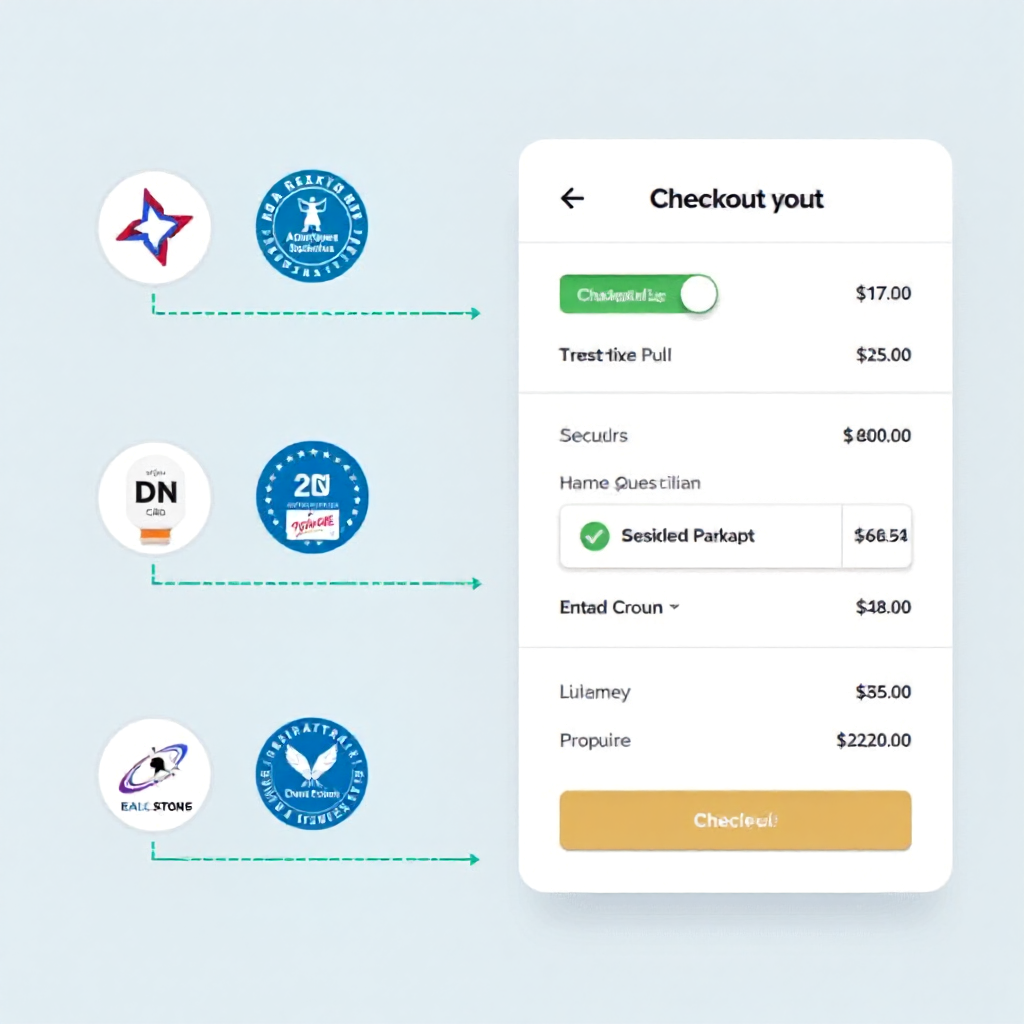
Reducing friction during checkout is one of the most effective ways to improve conversion rates. A streamlined checkout process should have as few steps as possible and provide multiple trusted payment options.
Offer guest checkout to speed up purchases for users who don’t want to create an account. Minimize form fields and use autofill where possible. Clearly display all costs upfront to avoid surprises. Adding trust badges, SSL certificates, and secure payment logos reassures customers their data is safe.
Common checkout issues include forced account creation, complicated forms, and limited payment methods, all of which cause cart abandonment. Simplify these elements to keep buyers moving to order confirmation without frustration.
Leveraging A/B Testing to Identify What Works
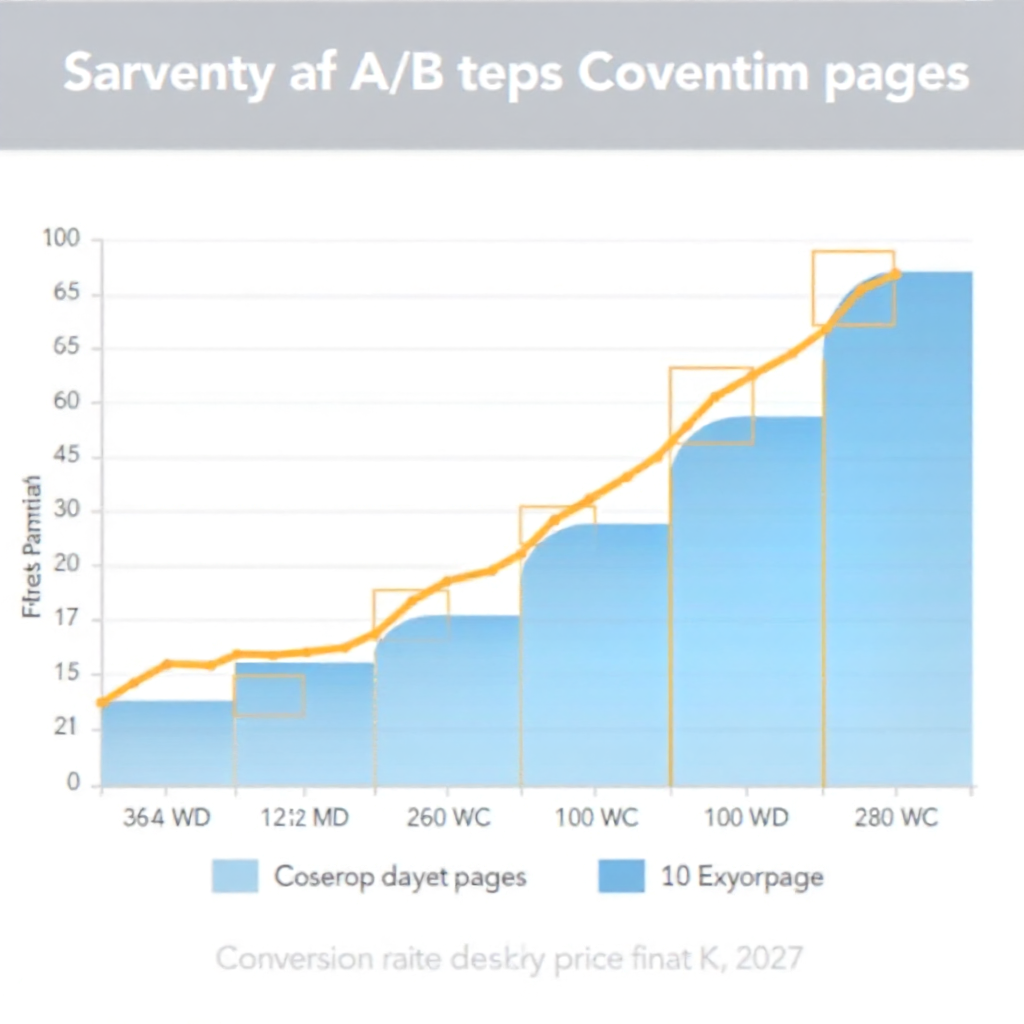
A/B testing is a method of comparing two versions of a webpage or element to see which performs better in driving conversions. It is a powerful tool to make data-driven decisions and optimize elements like headlines, images, CTAs, or even checkout flows.
Start by hypothesizing what changes might increase conversions, then create variants to test against your current design. Run tests long enough to gather statistically significant data. Use tools like Google Optimize, Optimizely, or VWO for implementation.
Measuring A/B test results allows you to prioritize changes that truly impact conversion rates rather than guessing. Over time, continuous testing cultivates steady growth and avoids stagnation.
Tracking and Analyzing Key Metrics for Continuous Improvement
To sustainably improve conversion rates, you need to track and analyze key performance indicators (KPIs) regularly. Important e-commerce metrics include bounce rate, cart abandonment rate, average order value, and conversion funnels.
Tools like Google Analytics provide insights into where visitors drop off and which pages underperform. Monitor how different traffic sources convert to identify your most valuable channels. Tracking user flow can reveal bottlenecks in navigation or checkout steps that need fixing.
Using analytics not only highlights current issues but also measures the impact of your optimization efforts. This continuous feedback loop ensures improvements are aligned with customer behavior and business goals.
Frequently Asked Questions
What is a good conversion rate for an online store?
Average e-commerce conversion rates typically range from 1% to 3%. However, top-performing stores can exceed 5% or more. Conversion rates vary by industry, traffic source, and product type, so benchmarks should be contextualized.
How can site speed affect conversions?
Site speed directly impacts user experience and conversions. Slow pages frustrate visitors, increasing bounce rates and reducing sales. Research shows that a 1-second delay can lower conversion rates by 7% or more.
What are common checkout mistakes that kill conversions?
Common errors include forcing account creation, lengthy forms, lack of clear pricing, insufficient payment methods, and missing trust indicators. These issues cause anxiety and abandonment during checkout.
How often should I run A/B tests?
The testing frequency depends on your traffic volume. Higher-traffic sites can run several tests simultaneously and weekly. Smaller stores should run sequential tests ensuring statistical validity, roughly every few weeks.
Should I focus on desktop or mobile optimization first?
Mobile optimization should generally be prioritized because a majority of e-commerce traffic is mobile. However, analyze your own data to verify device usage patterns before deciding.
Optimizing an online store for better conversion rates requires balancing user experience design, technical performance, persuasive content, and data-driven experimentation. By focusing on improving site speed, product pages, checkout usability, and continuous testing, store owners can unlock significant revenue growth without necessarily increasing traffic. Always monitor metrics and remain adaptable to evolving customer expectations and technology trends.